Pen Race
-
 Would You Date Yourself?January 2, 2026 at 6:30 AM
What if the person you’re searching for… is already you?
A quiet question turns into a mirror. About standards, silences, patterns, and the kind of love we ask for without offering first. This is a reflection on self-awareness, attraction, and whether we’re ready to be chosen by someone exactly like us. -
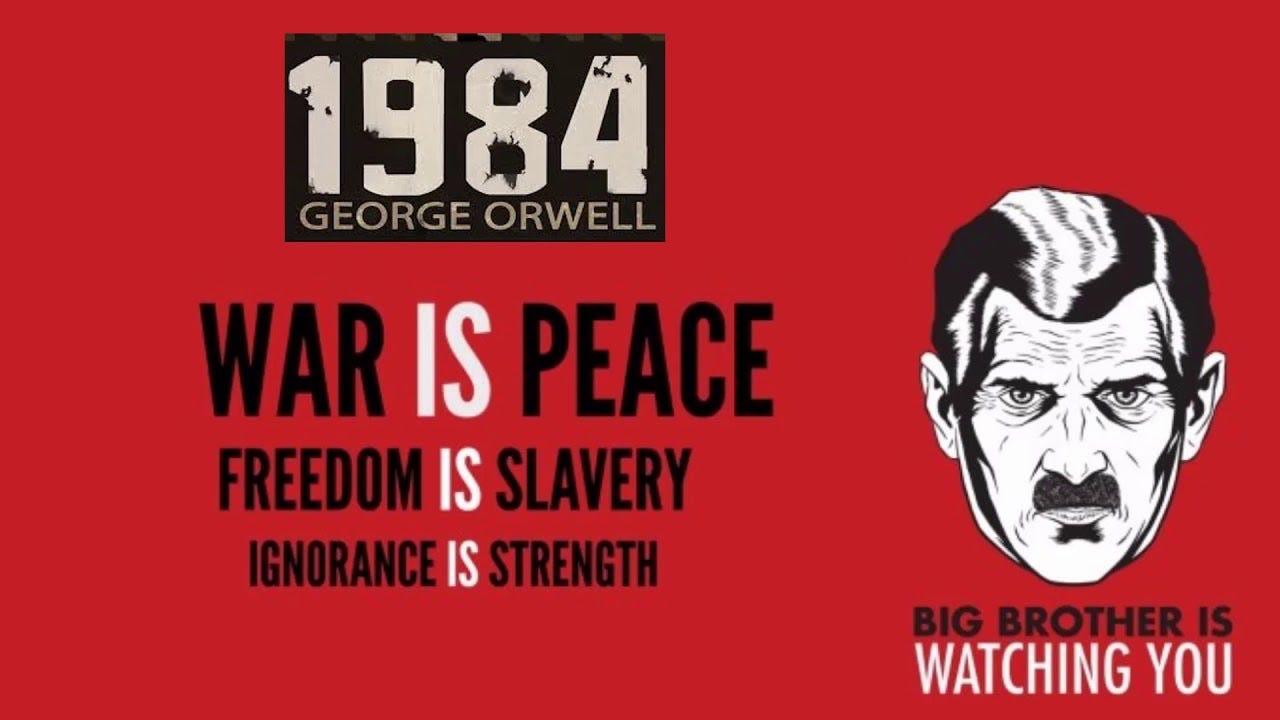 Big Brother Still Watches: A Review of 1984September 11, 2025 at 6:00 PM
Cameras in your home. Truth rewritten overnight. A world where even love can be turned into betrayal. Orwell’s 1984isn’t just a story—it’s a warning. Here’s why this classic still feels terrifyingly close to reality.
-
 A Heartwarming Eid Tale You’ll Want to Watch With FamilyAugust 7, 2025 at 6:00 PM
What happens when Eid night meets a Bangladeshi twist on A Christmas Carol? Utshob (2025) delivers warmth, nostalgia, and powerhouse performances from Jahid Hasan, Chanchal Chowdhury, Jaya Ahsan, and more. It’s not about explosions or high-octane chases, but about family, second chances, and the kind of wholesome vibe you rarely find in cinemas anymore. Sure, it has a few dim moments, but by the end, it leaves you with a smile. Perfect for a cozy family night.
-
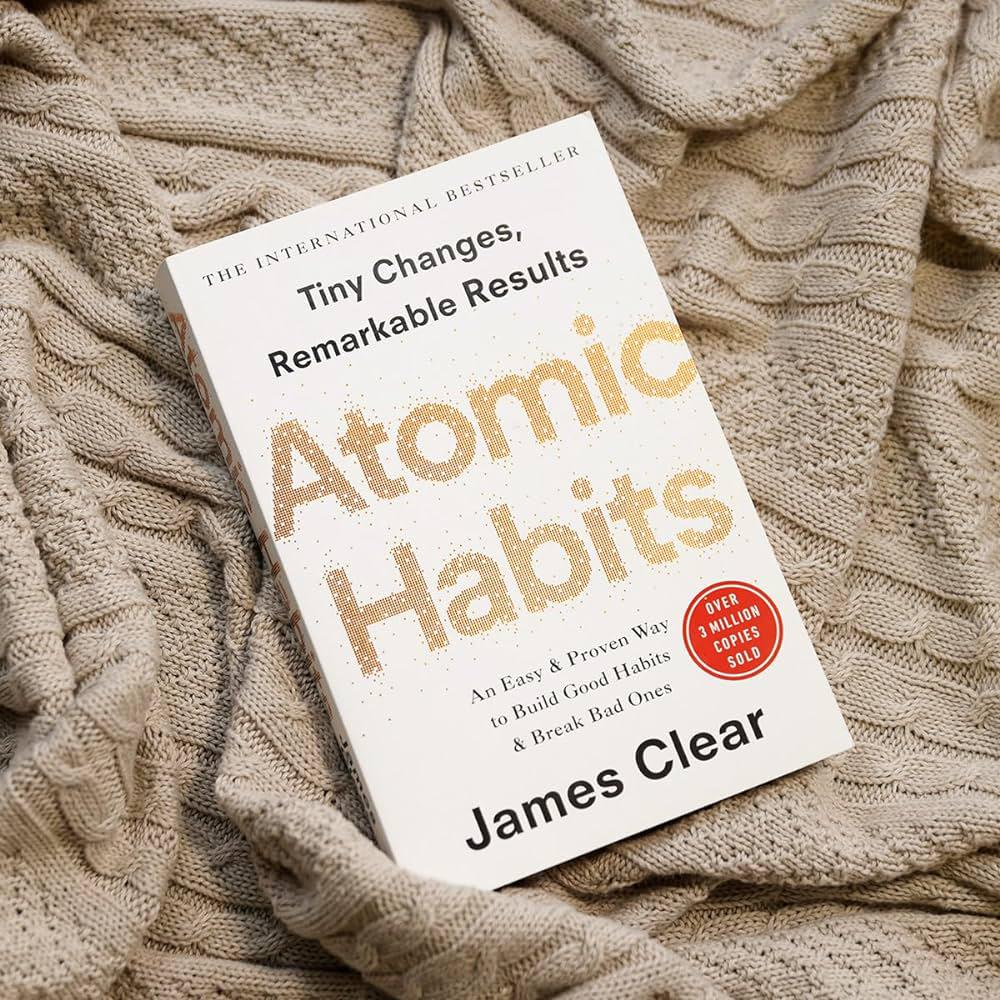 Why Tiny Changes Really Do Make a Difference.August 5, 2025 at 6:00 PM
Tired of quick fixes? Atomic Habits shows tiny, barely noticed changes beat big gestures every time. James Clear breaks habit-building into four simple laws: make it obvious, attractive, easy, and satisfying. This book isn’t about motivation highs but steady systems that quietly shape real progress. If you want lasting change without chaos, this guide’s for you. Ready to rethink your habits?
-
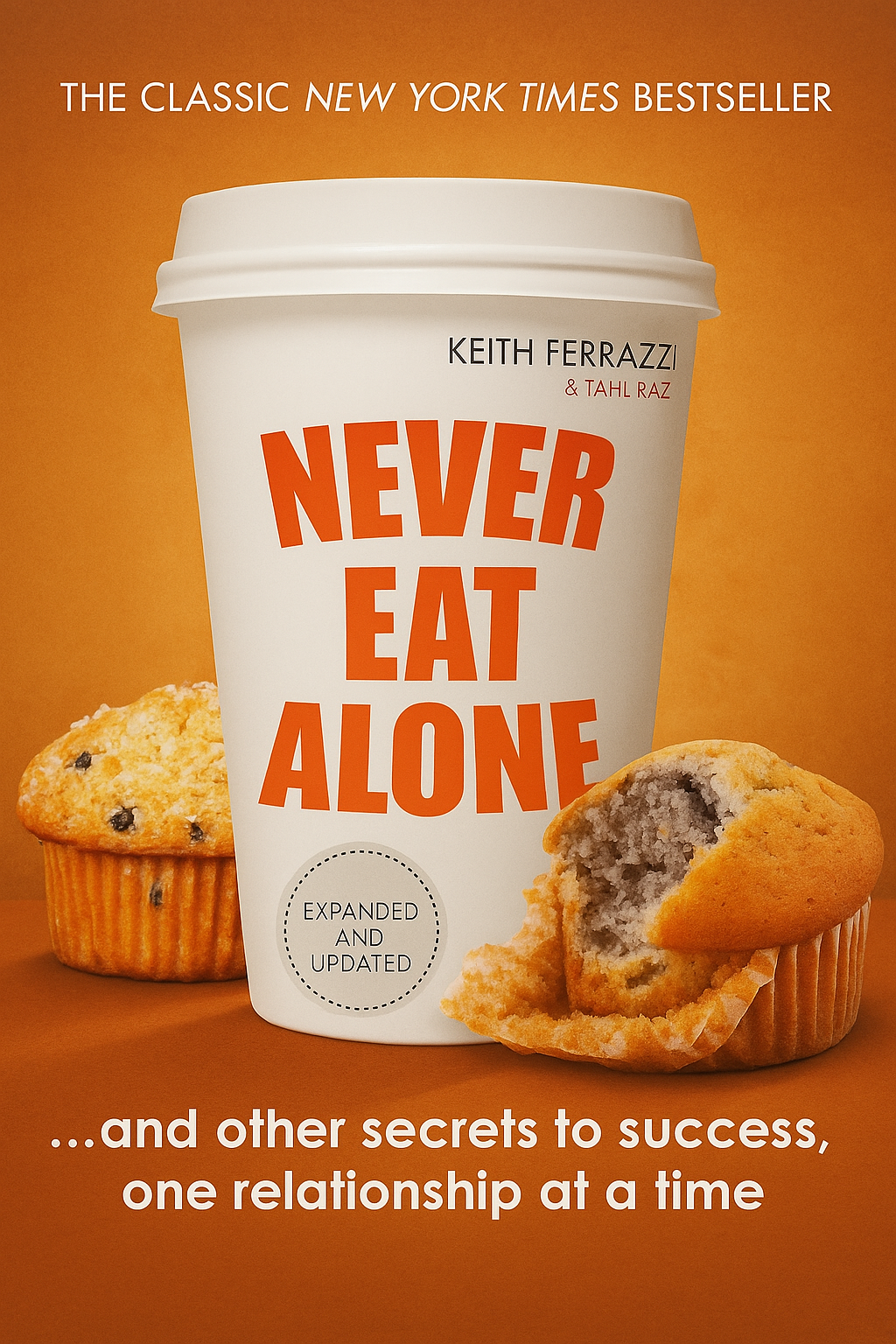 Never Eat AloneJune 5, 2025 at 6:00 PM
Keith Ferrazzi’s Never Eat Alone teaches you that approaching new people isn’t creepy—it’s essential. Ferrazzi breaks down how to turn strangers into genuine allies, nurture those connections over time, and even leverage “middlemen” to reach high-profile contacts. A few chapters recycle ideas and get abstract, but the core message is clear: your network truly is your net worth, so start building it now.
-
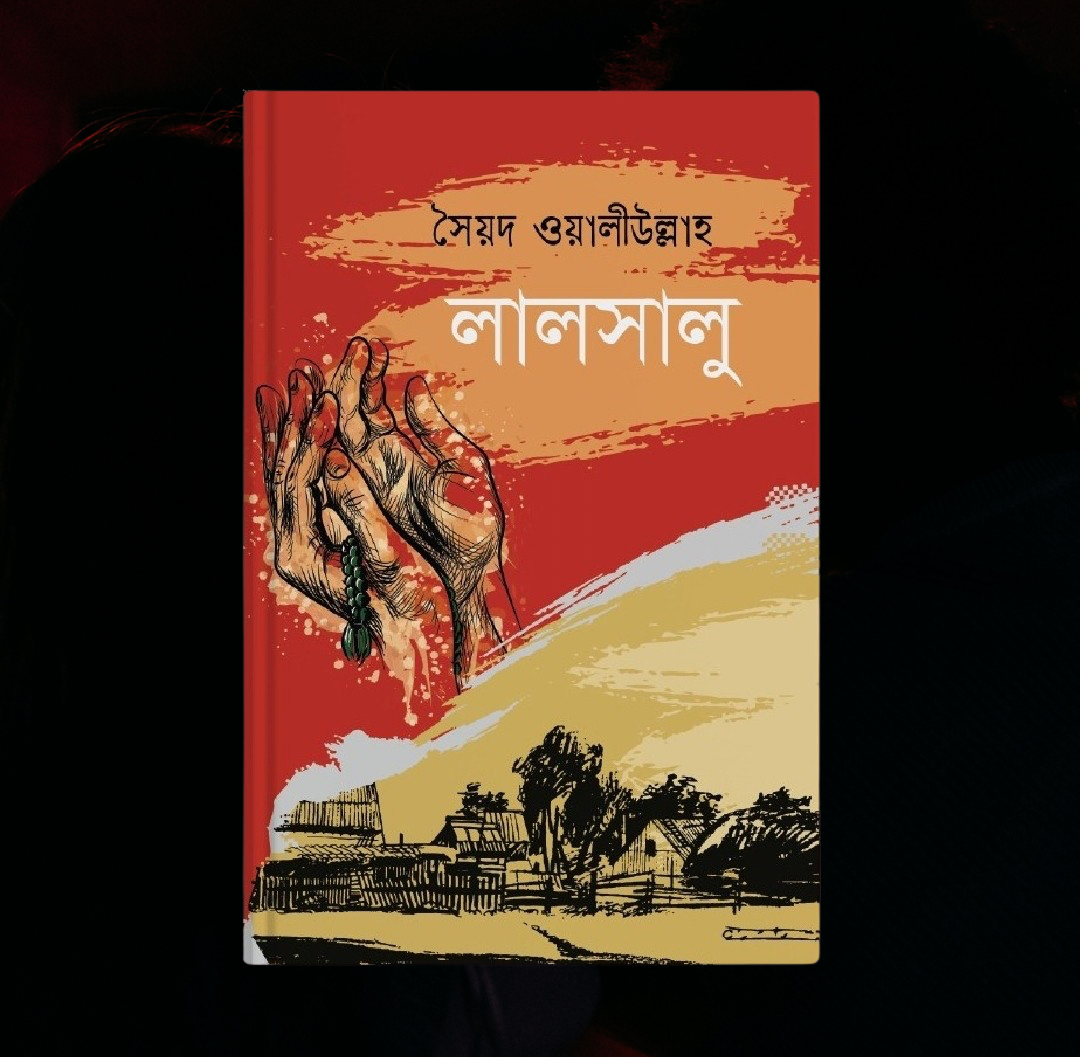 Lalsalu: A Cautionary Tale or a Misguided Mirror?June 1, 2025 at 6:00 AM
Lalsalu slaps a mirror up to fake piety, exposing how frauds like Majid twist beards, mosques, and prayers into tools of control. But in skewing every ritual through his con‑artist lens—mocking poor maktab kids, grilling Dudu Miya on the Kalima, forcing Amena Bibi’s Friday fast—it risks painting genuine faith as foolish. The novel’s power lies in calling out superstition, yet readers should watch for its one‑sided satire that can blur the line between “real religion” and “religion abused.” TL;DR: Read Lalsalu, but keep your bullshit radar on high—know the difference between true devotion and a slick impostor.
-
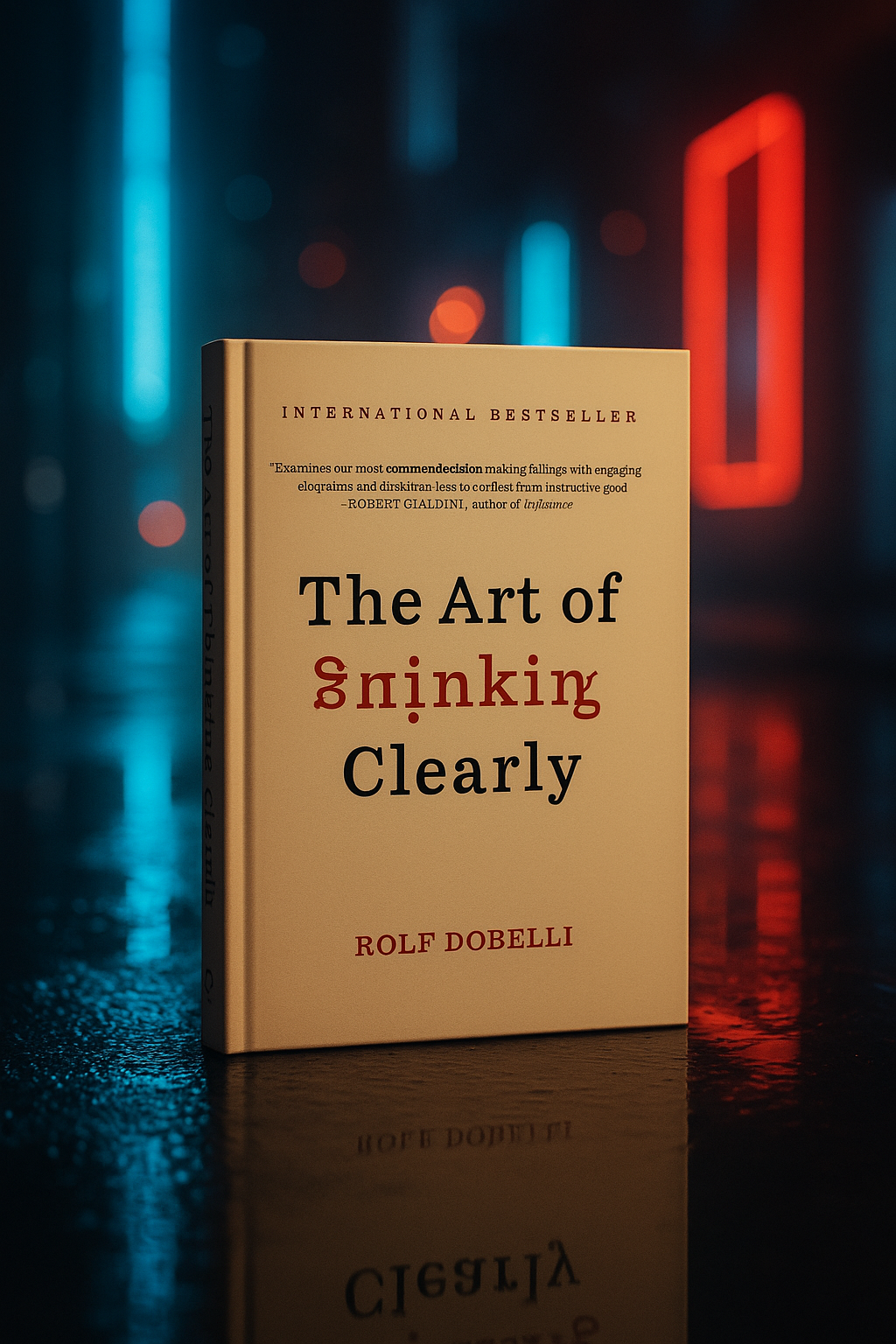 Think Again, Think ClearlyMay 30, 2025 at 10:00 AM
Rolf Dobelli’s The Art of Thinking Clearly breaks down 99 mental traps we all fall into—like overthinking, following the crowd, or sticking with bad choices just because we’ve already started. It’s super digestible, relatable, and kind of addictive. Perfect for anyone who wants to make smarter decisions without reading a textbook. Just be warned: once you see the biases, you can’t unsee them.
-
 Twilight, Alongside (revised)May 16, 2022 at 6:00 PM
In the quiet lull of twilight, a solitary figure steps into a city where neon lights blur with ancient shadows. In a forgotten bistro that whispers secrets of bygone eras, an unexpected encounter unfolds—two souls meeting briefly under the silent vigil of a luminous moon. Their exchange is wordless yet profound, like a half-remembered dream that lingers at the edge of consciousness. As soft murmurs of the night weave through their fleeting moments, a mysterious bond is hinted at, leaving more questions than answers. With the city as their silent witness, the story dissolves into the night, inviting you to wonder: what lies beyond the horizon of that enigmatic encounter?